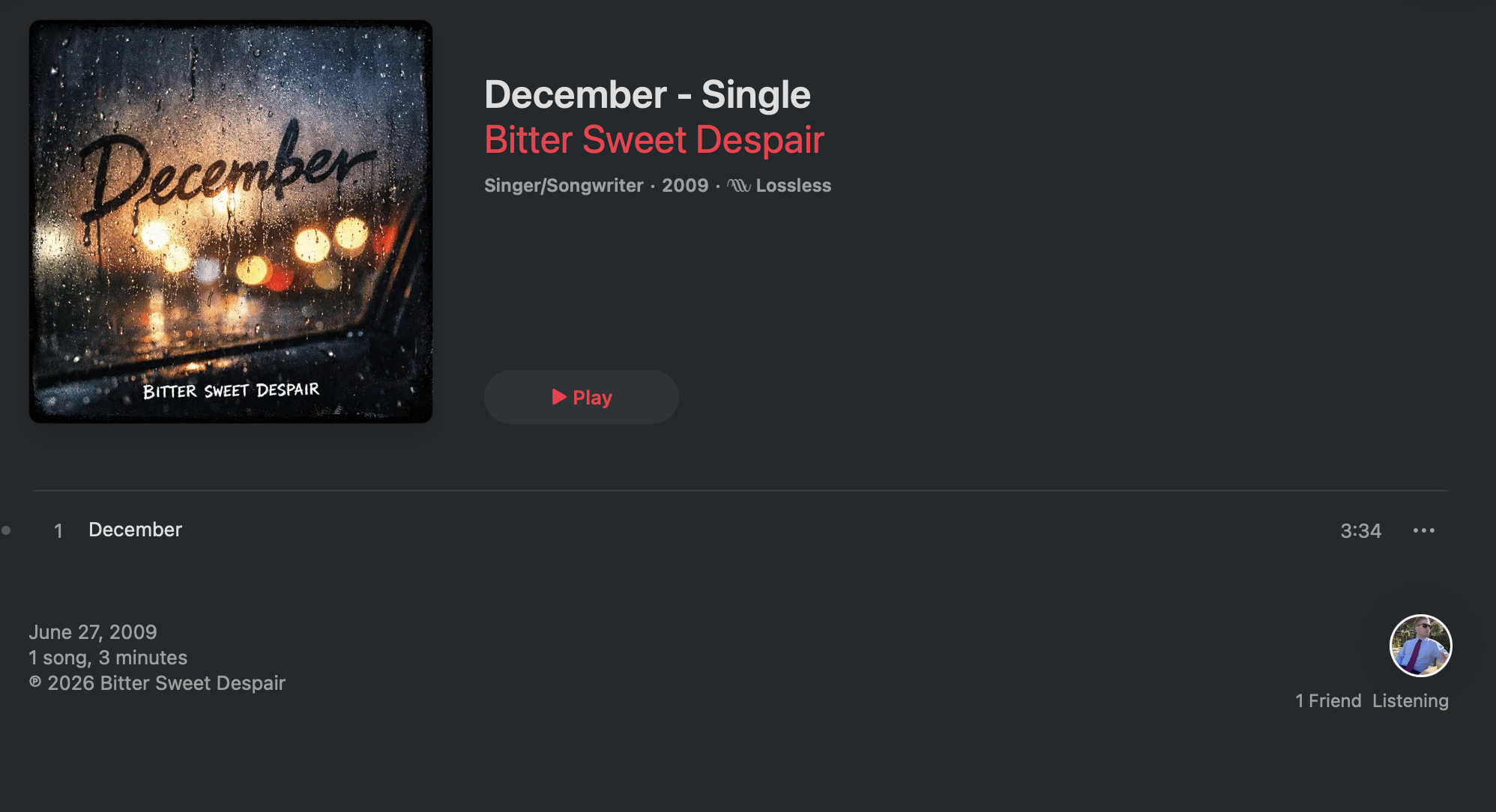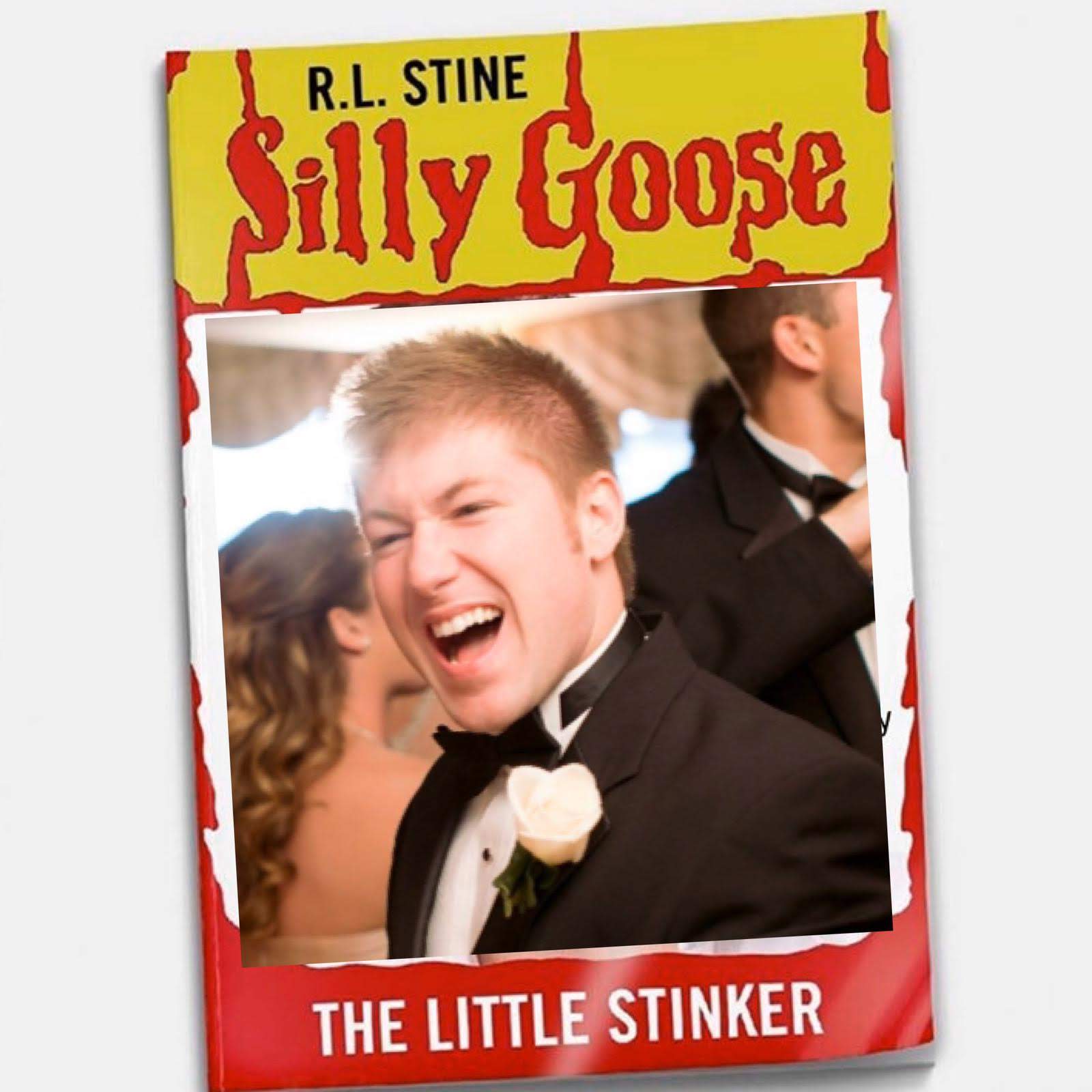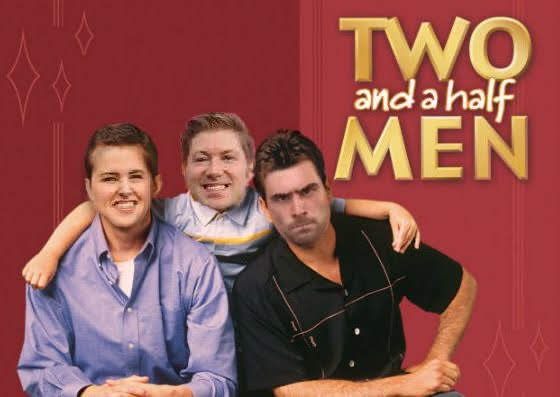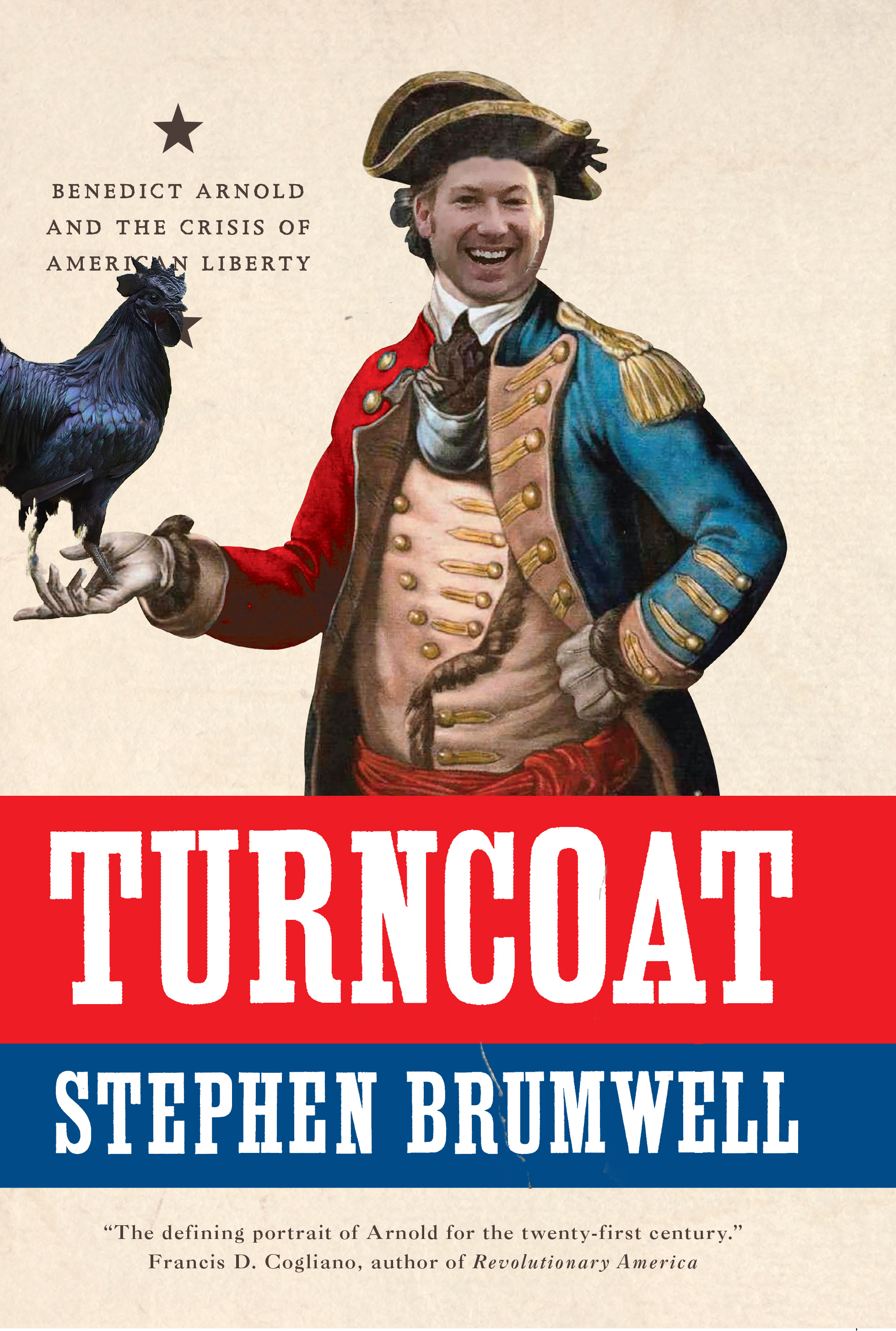
To encounter December (Back To), the lone transmission from Chris Miller's semi-fictional duo Bitter Sweet Despair, is to confront a kind of sonic architecture that rejects the premise of time itself. Recorded in 2009 and buried — by design, one suspects — for seventeen years, the track now arrives on streaming platforms like a letter mailed from a house that no longer exists. What are we to do with such a gift? We listen. Again. And again. And then we sit on the floor.
Miller, whose chief instruments are an acoustic guitar and a preternatural sense of his own emotional weather, has constructed a song that is less a song than a weather system. The opening chord — a wounded D, possibly a Dsus2, we cannot be certain because certainty is not a tool in Miller's kit — functions not as a harmonic proposition but as an apology. To whom? We do not know. We are not meant to know. That is the point.
It is the most important 3 minutes and 34 seconds of the 21st century, and also the shortest.
The lyrics operate in what this critic has elsewhere termed "the vernacular of the unsent text message, eventually sent." Miller opens with a meteorological report — "It was cold in December, the rain it makes me remember" — and in doing so establishes the song's central conceit: that weather is memory, that memory is weather, and that the pathetic fallacy, long dismissed as an undergraduate vice, is in fact the only honest mode of address. A lesser writer would have said "it was raining." Miller says the rain it makes me remember, reversing the grammatical hierarchy of subject and agent, and thereby locating the lyric self as the object of the weather's desire. It is Proust, if Proust had a Sunburst Squier.
Then — and one must pause here — he arrives at the hinge: "Dear Samantha, here's a song that I wrote for you." The epistolary turn. The proper noun. The naming. What Keats performed with Fanny Brawne in private letters, Miller performs in public, with distribution to every major DSP. This is not courage. This is something beyond courage, for which English does not yet have a word.
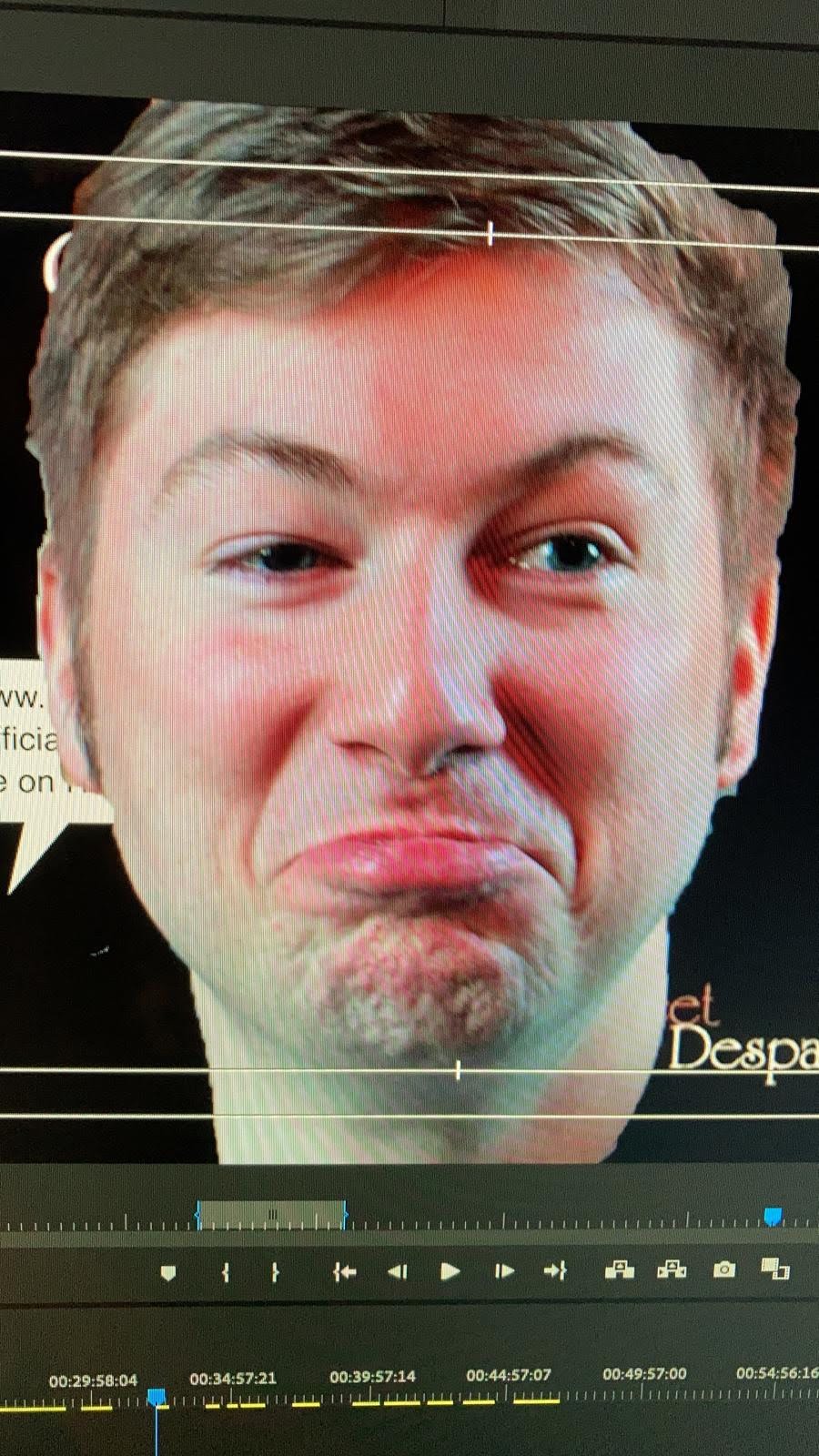
Much has been made, in the 48 hours since the reissue, of the project's defining visual: Miller whispering into Miller's own ear. "Secrets Are Addicting," reads the tagline. Indeed. Yet to frame the image as mere trick photography is to miss its radical thesis — that the self is the only remaining confidant, and that confession, in the 21st century, is a closed loop. Freud would have wept. Freud, in fact, almost certainly has.
What Miller accomplishes here — in a genre space one might call, for lack of a better shorthand, "Pacific Northwest Bedroom Miserabilism" — is something on the order of a quiet insurrection. Against what? Against the tyranny of the major key. Against the presumption that a song must resolve. Against the idea, pernicious and late-capitalist, that one's early work must be good. It is not good. It is important, which is an entirely different and far more uncomfortable category.
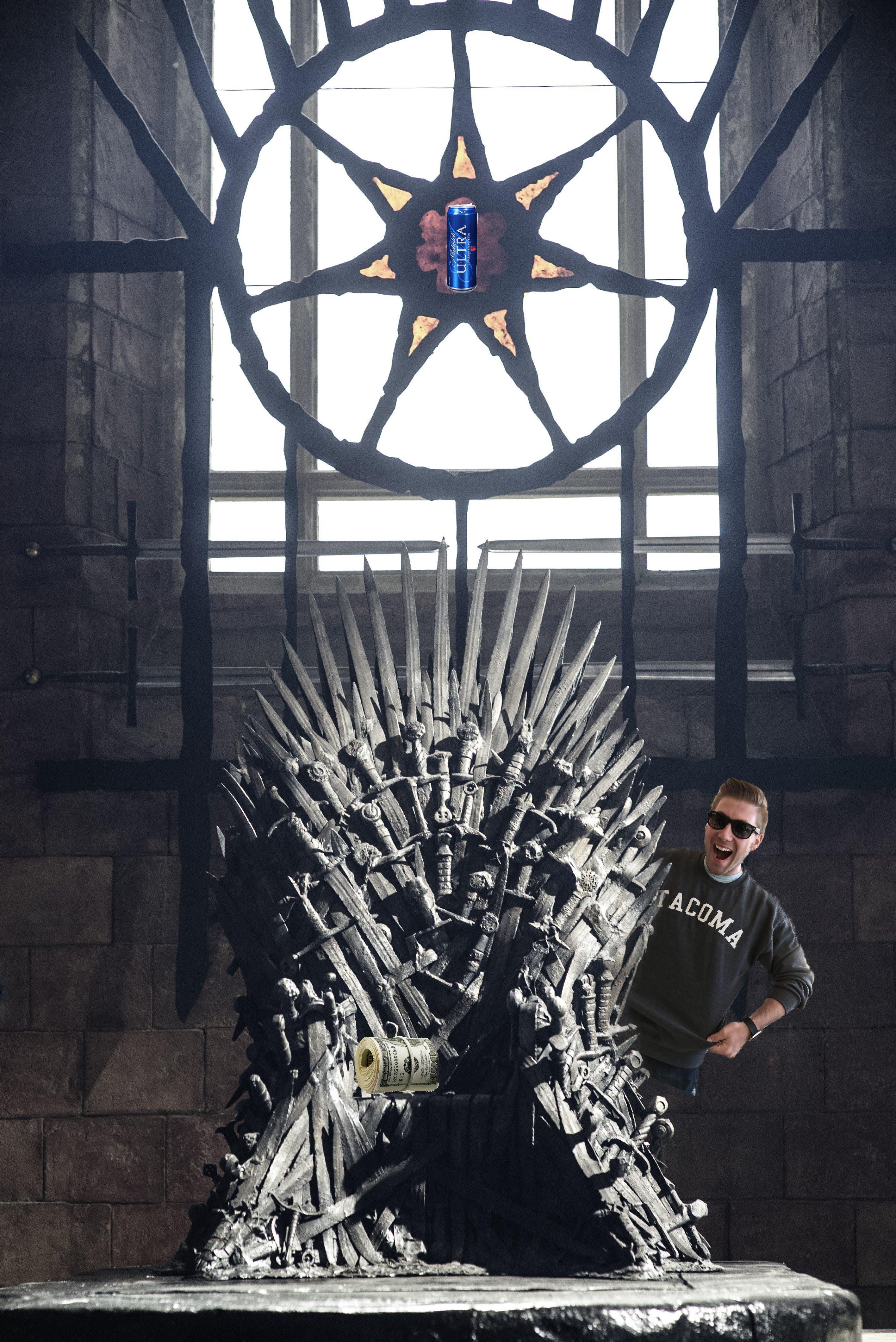
To call the work "emo" is reductive. To deny that it is "emo" is dishonest. Miller arrives at the tail of the Third Wave — Dashboard Confessional, Jimmy Eat World, Death Cab — but he transposes that wave's register into something quieter, more terminal, and somehow more adult. If Chris Carrabba had written "Hands Down" at thirty-two instead of twenty-two, and if "Hands Down" had been written on an acoustic guitar by a man in a Tacoma sweatshirt who had already filed his taxes, it might approach the ambient emotional field of December (Back To). Emphasis on approach. It would not arrive.
The Case for Genius
Skeptics — and they exist, though they are cowards — will point to the seventeen-year silence that followed this release as evidence of a career that never was. This is a grave misreading. It is also, in the strictest biographical sense, incorrect. Miller had toured. The precocious mid-aughts support slot for the post-grunge outfit Trapt — performed, per the available testimony, at the birthday party of a then-twelve-year-old girl in the state of West Virginia — is discussed at greater length below. For now it is enough to say: the silence was not silence. The silence was the long exhalation after Trapt.
Miller's silence, in short, is not absence; it is composition. Every December he did not release a follow-up was itself a kind of December. The discography is not a discography. It is a reliquary.
One is reminded of Agnes Martin, who stopped painting for seven years and returned, when she returned, with work that no longer believed in grids. Miller's seventeen years of not-releasing is the longest, most structurally rigorous rest in rock history. Compared to it, John Cage's 4'33" is a jingle.
The discography is not a discography. It is a reliquary.
On the Question of the Whisper
I will be brief. The whisper — that grainy, half-audible exhalation that opens the chorus — is the single most radical gesture in American vernacular music since Dylan went electric. Where Dylan amplified, Miller de-amplifies. He dares you to lean in. When you do, he recedes further. This is not a mixing error. This is a pedagogy.
Is December (Back To) perfect? No. The third verse, in which Miller lingers on a syllable for what feels like a full cosmological epoch, may try the patience of listeners who arrived at streaming services via a TikTok sound. To them I say: you were not invited. The work is not for you. The work is for those of us who have, at least once, lain face-down on a hardwood floor with a smartwatch glowing weakly at our wrist, and understood.

Verdict
There will be other albums. There will be other years. There will, god willing, be other Decembers. But there will be only one December (Back To), and you can now, at long last, stream it. Do so. But do so alone. And do so sitting down.
— L. Wainscott, April 2026